Tower Limite Limite , 1999
Limite Limite was an urban transformation process initiated in the late 1990s in the Quartier Brabant, in the north of Brussels. Despite later being celebrated as an exemplary bottom-up project, it did not start as a conventional local development scheme. Instead, it emerged as a pragmatic response to a deep urban and social deadlock.
In 1998, residents of the neighbourhood approached City Mine(d) in reaction to the persistent use of small derelict plots as illegal dumping sites. These sites were remnants of a cynical urban strategy from the 1970s, aimed at progressively emptying the area of its residents by demolishing corner houses and letting surrounding buildings decay. The neighbourhood was characterised by severe housing precarity, a strong association with prostitution, and a complete lack of prospects for improvement. The plot at stake was barely 40 m², making any conventional redevelopment approach ineffective.
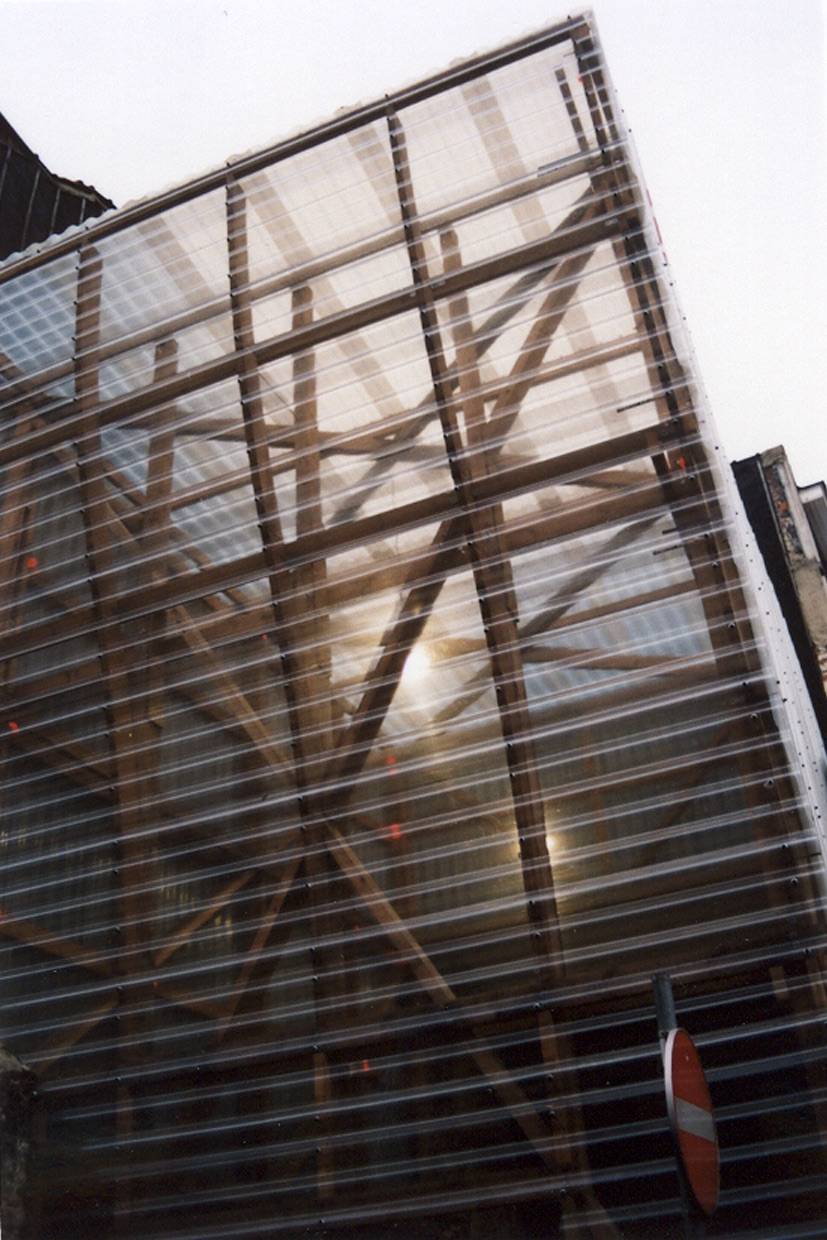
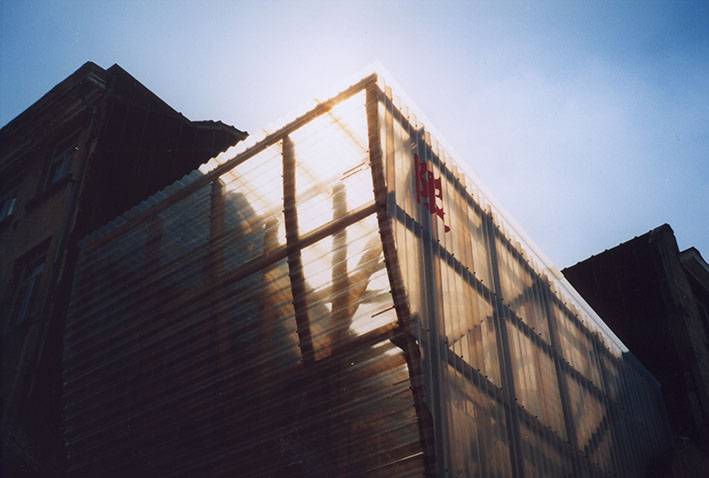
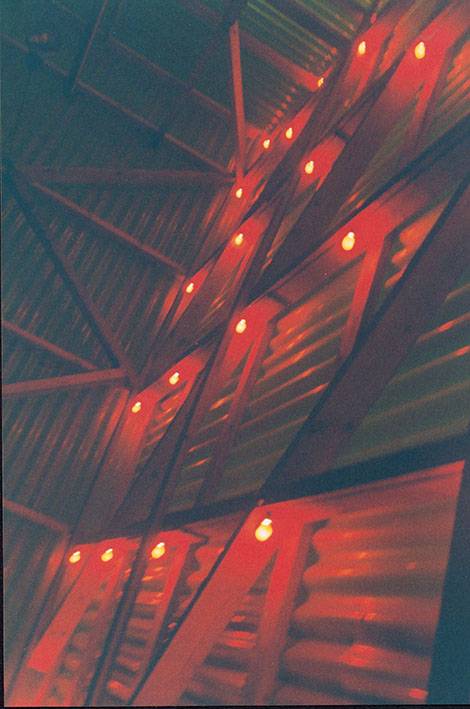
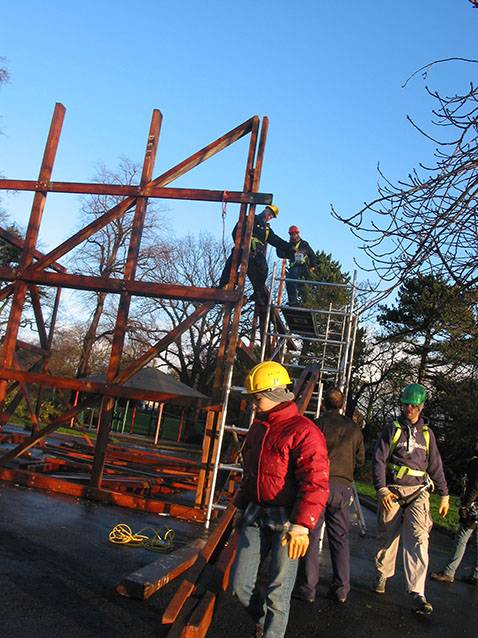
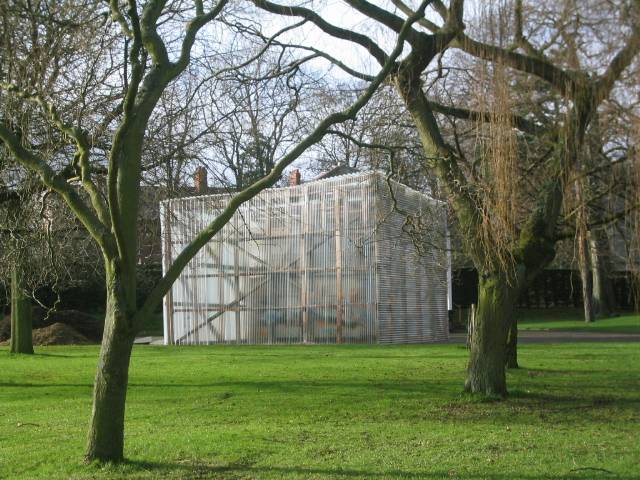
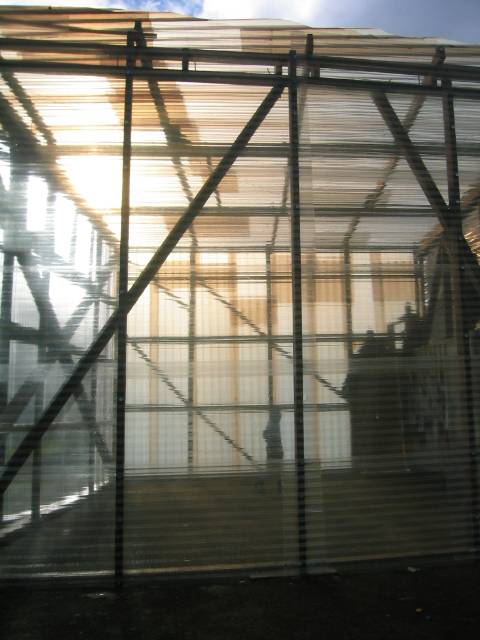
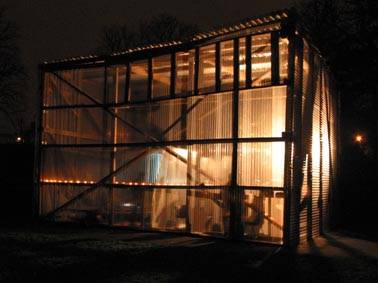
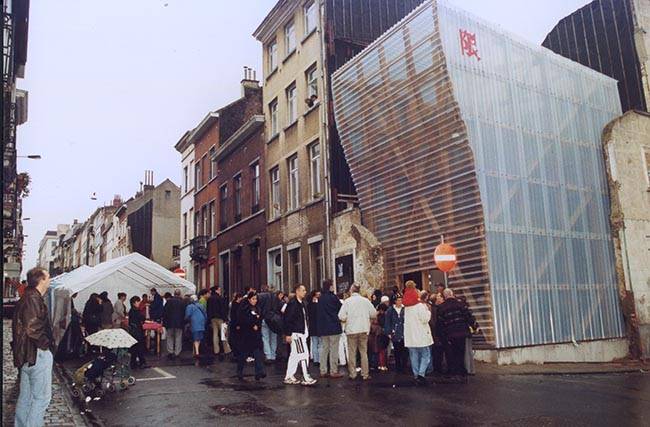
Rather than creating a defensive green space, City Mine(d) opted for a bold architectural intervention: a nine-metre-high transparent tower that would close off the dumping site while making it visible, usable, and symbolically active. Designed by architect Chris Rossaert, with a lightweight wooden core developed by architect-engineer Kathleen Mertens, the tower was built by apprentices from a local rehabilitation programme for former detainees. Its translucent materials and deliberate visibility transformed it into a striking landmark, replacing the red lights as the dominant image of the neighbourhood.
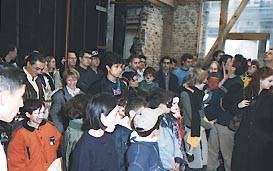
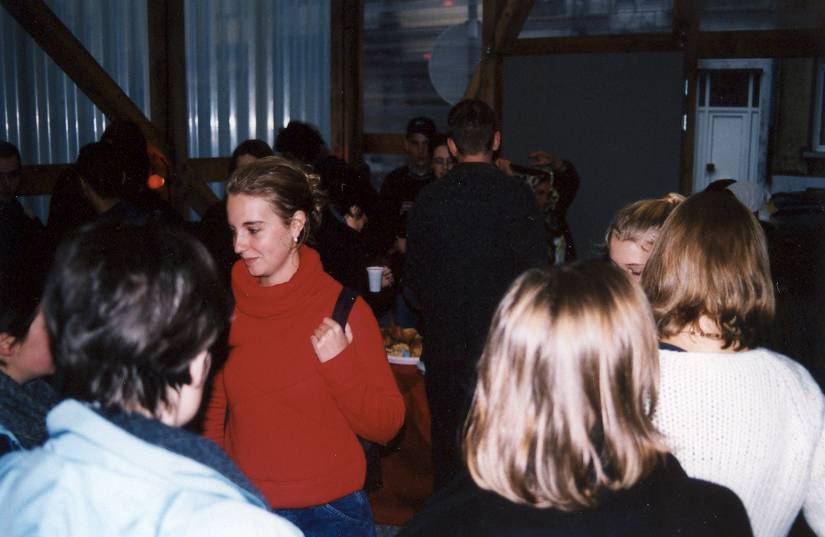
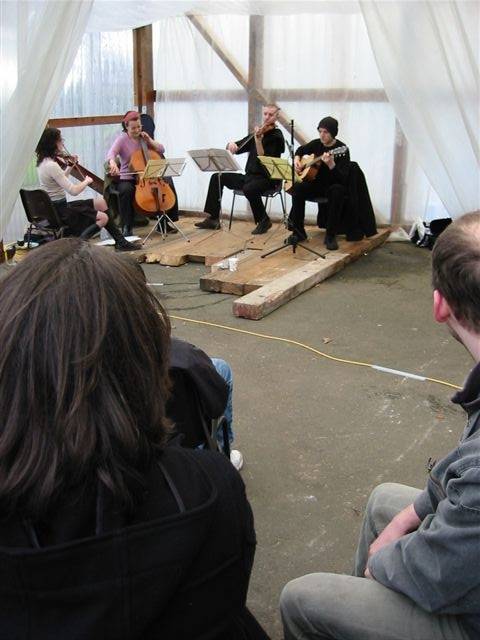
Construction began in February 1999, following a long phase of mobilisation that involved gathering workers, raising funds, and building trust among residents, schools, shopkeepers, civil society organisations, passers-by, and eventually public authorities. The construction process itself became a social tool. Intentionally slow and inclusive, it was accompanied by street parties, a multilingual neighbourhood newspaper, and a wide range of collective activities. Once completed, the tower hosted concerts, theatre performances, exhibitions, neighbourhood meetings, cooking activities, and architecture workshops. Originally intended to last six months, it remained in place for nearly five years.
More important than the architectural object itself was the process Limite Limite that unfolded around it. This process brought together groups in the neighbourhood who previously had little or no interaction. To ensure that this newly formed network could outlive the temporary intervention, City Mine(d) initiated the creation of a dedicated structure at the time of the tower’s inauguration. The organisation Limite Limite, established as a Belgian non-profit in 2002, became the only platform uniting all stakeholders involved in the neighbourhood’s development.
The organisation was not defined by specific themes or policy agendas, but by a clear principle: the neighbourhood functions better when people talk and act together. It gathered residents’ associations, schools, shopkeepers, local businesses, large economic actors from the nearby Quartier Nord, civil society organisations, and representatives from municipal and regional authorities. Crucially, it maintained a degree of autonomy that allowed it to mobilise people and funding without becoming a spokesperson for public authorities.
This approach was widely recognised. Limite Limite received acclaim from local communities, academia, and international media, and was awarded the Flemish Government’s Urban Renewal Award in 2002. The jury highlighted its “rhizomatic” planning approach as a meaningful complement to classical urban and regional planning, and credited it with putting the Quartier Brabant back on the political agenda, leading to the attribution of several district contracts.
After the tower was dismantled, its materials were reused for a new pavilion in Belfast, extending the experiment into another divided urban context. On the original site in Brussels, a small housing block was eventually built using funds attracted through the district contracts made possible by the Limite Limite process.
The organisation Limite Limite continued to operate for several years, successfully navigating the arrival of formal urban renewal schemes while preserving a space for local initiative. By 2010, however, the neighbourhood had changed significantly and faced new challenges requiring different approaches. Twelve years after residents first sought an alternative to an illegal dumping site in their street, the organisation was dissolved, marking the end of a completed cycle. What remains is not the tower itself, but a lasting example of how a minimal spatial intervention can trigger a long-term, collective urban process.
Related
- Process Limite Limite
- Tower Limite Limite
- Organisation Limite Limite
- Architecture Workshops
- Theatre Plays
**