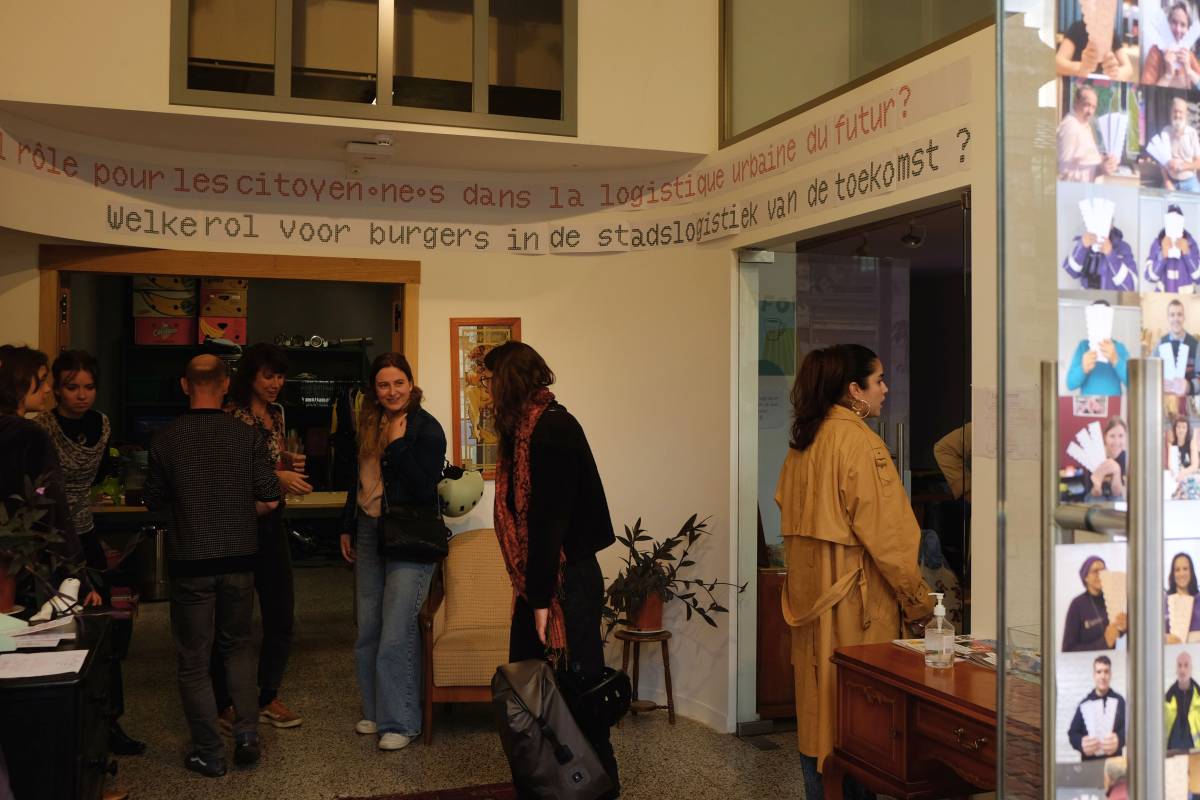
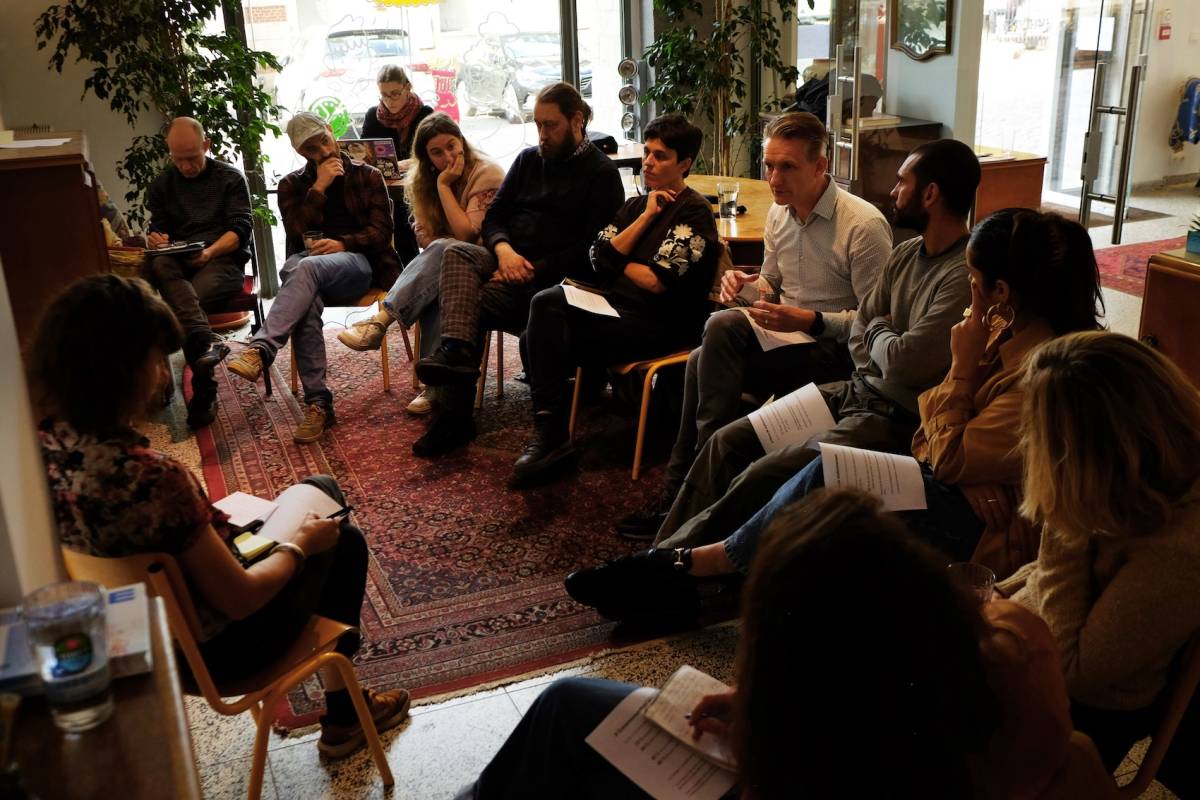
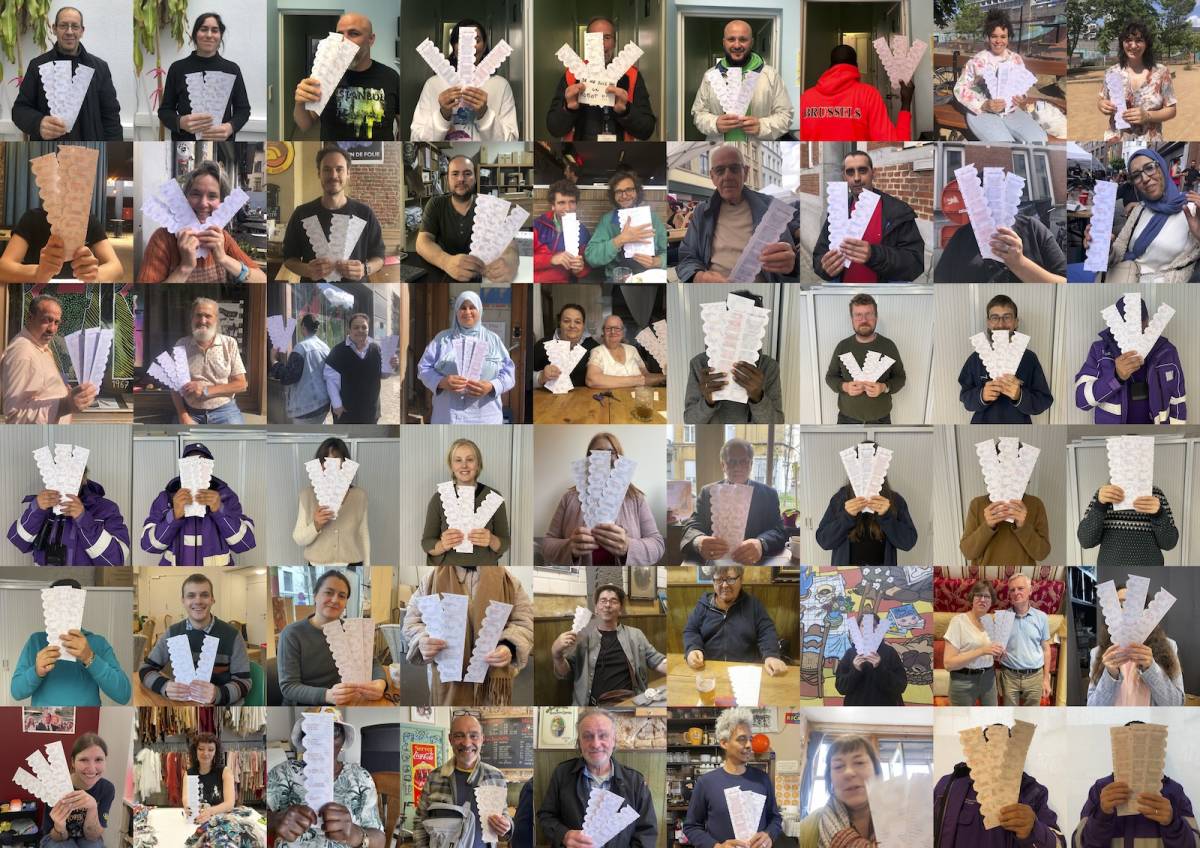
Palette - Collective Experiments in Neighbourhood Supply (2025 > ...) , 2025
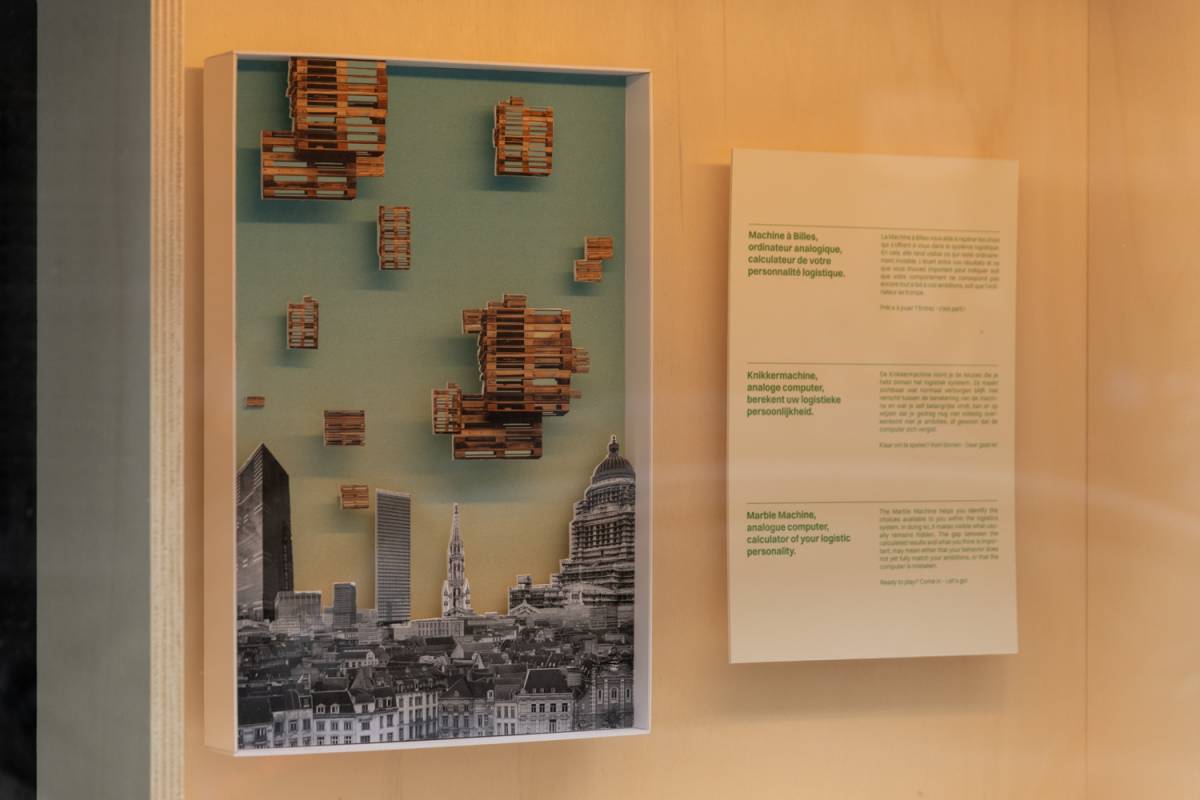
We rarely stop to think about it, but we spend a surprising amount of time on logistics.
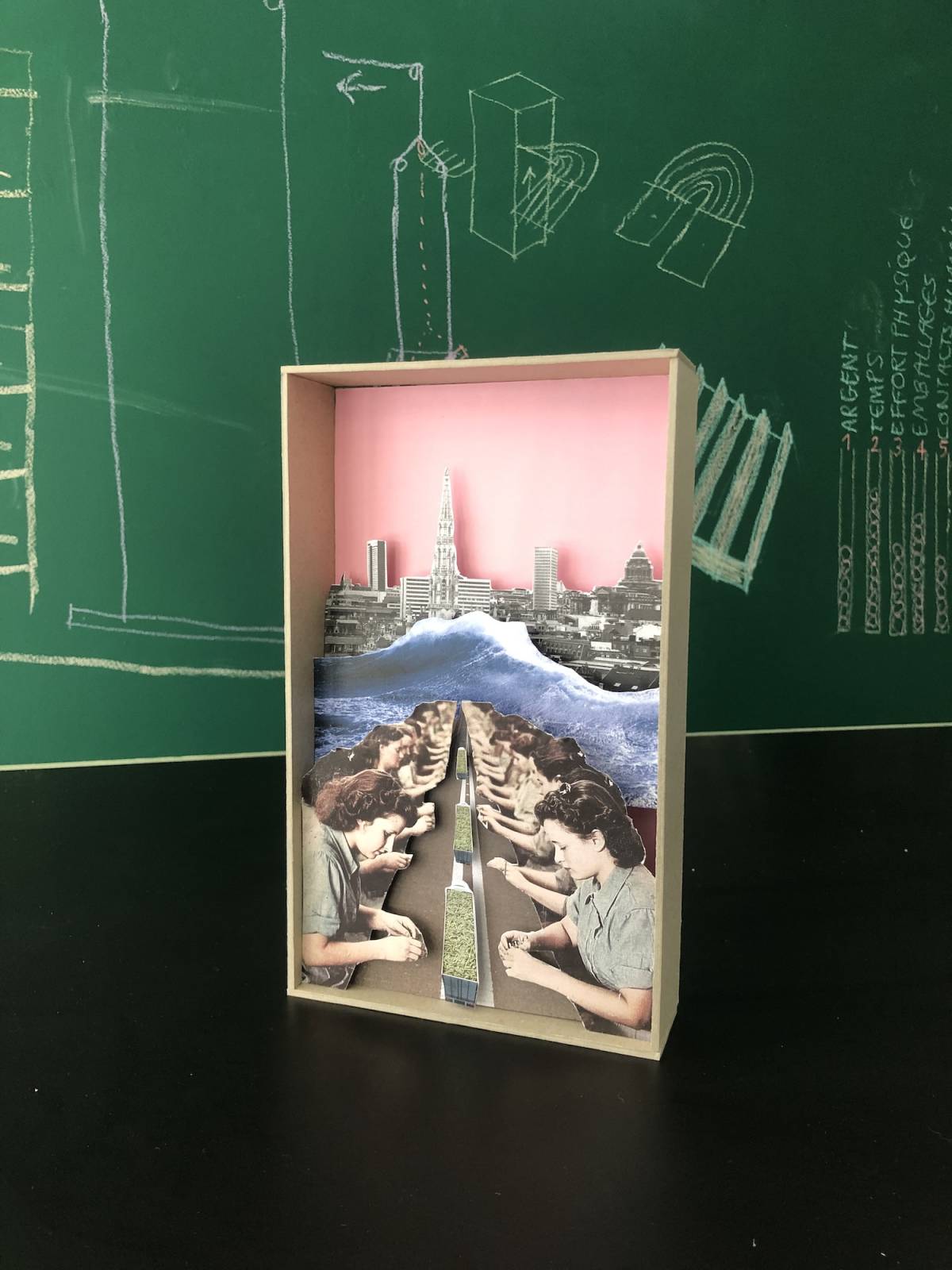
Whether it’s grocery shopping or ordering online. Planning what to buy, where, and when. Waiting at the checkout or for a delivery. Meanwhile, cargo bikes, vans, and trucks roam the streets, while planes fly overhead and container ships sail back and forth. We know all of this costs money, but exactly how much of those costs are hidden in the price of our purchases usually remains invisible.
Yet, we believe it is important to better understand how food, clothing, and materials move through the city. More importantly: how that happens at the neighborhood level. Everything we need to live has to reach us somehow. Ideally, in a way that consumes as little time, space, and energy as possible—for ourselves, for the neighborhood, and for the planet.
What if we got to know this system better?
Perhaps then we would discover opportunities to do things differently together: more efficiently, more affordably, and with less impact. And who knows, it might even make things more social.
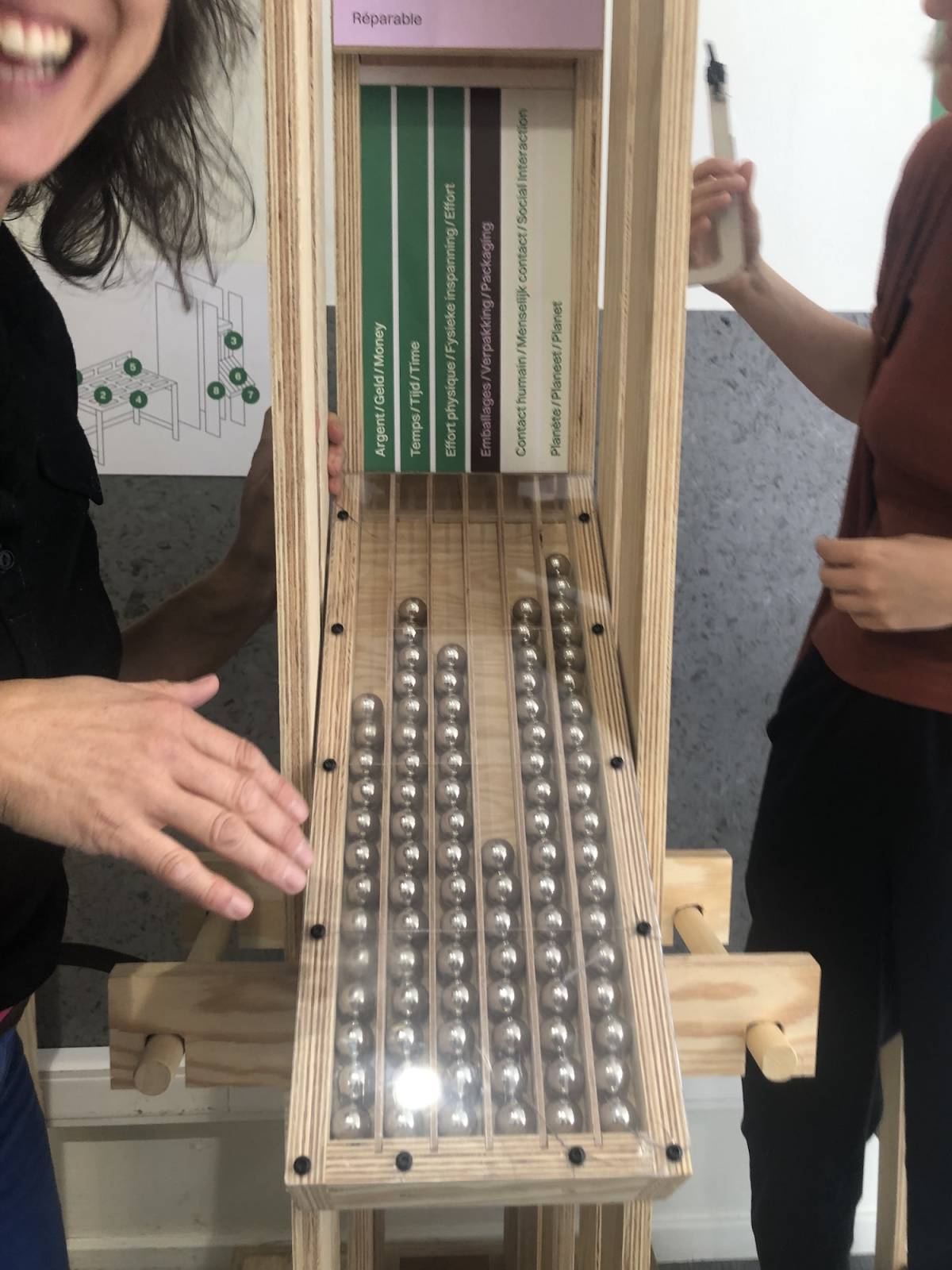
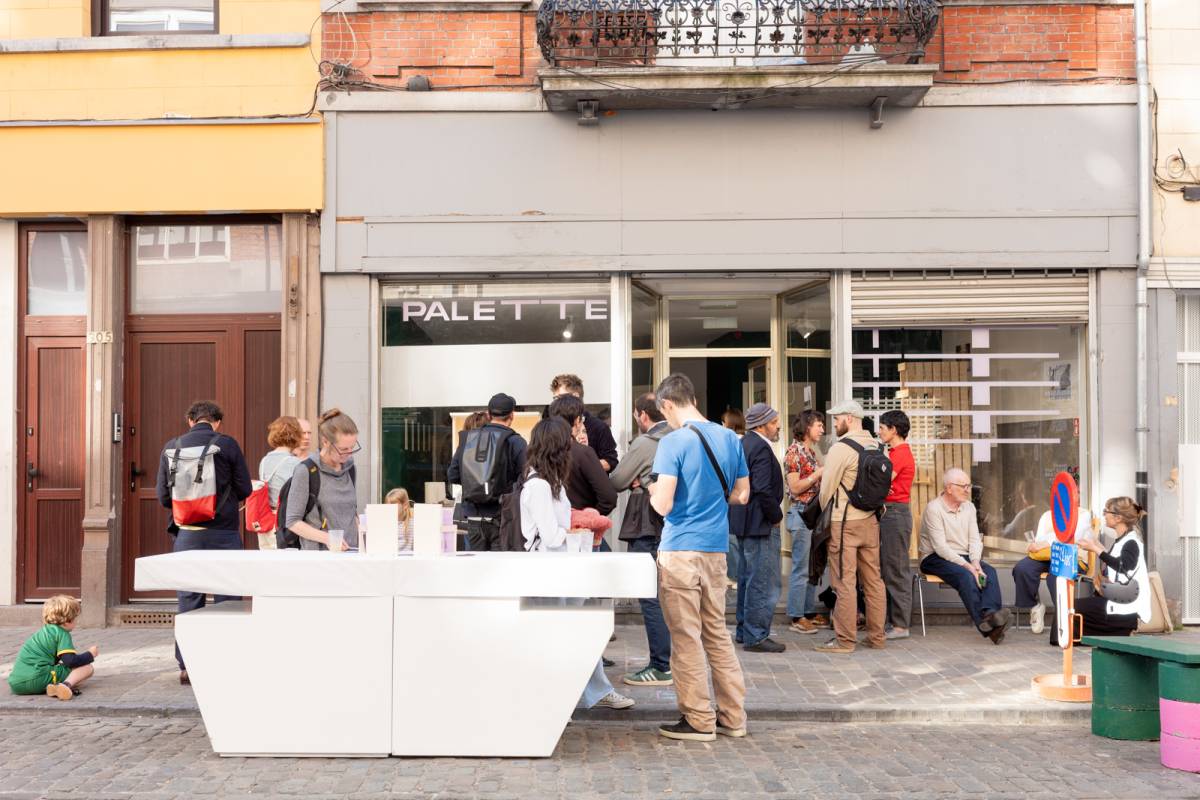
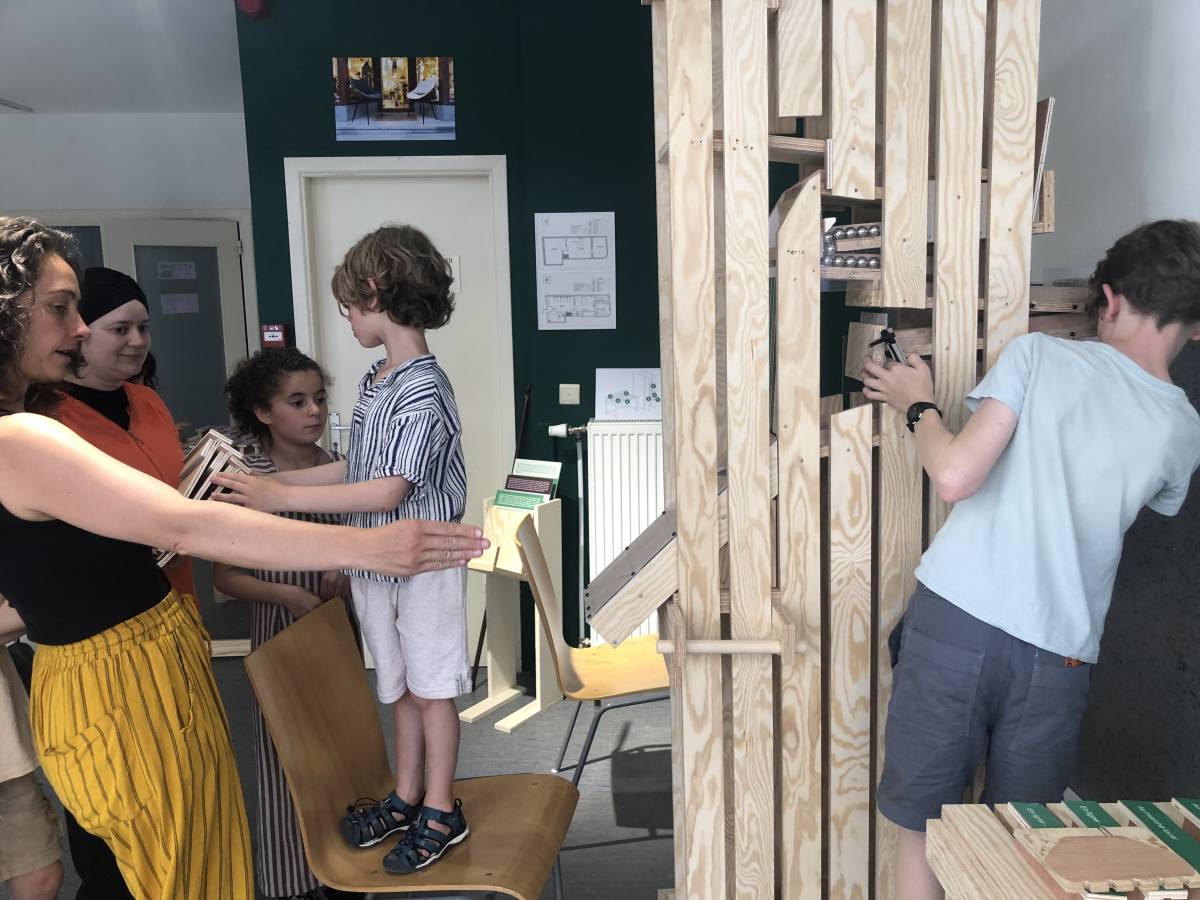
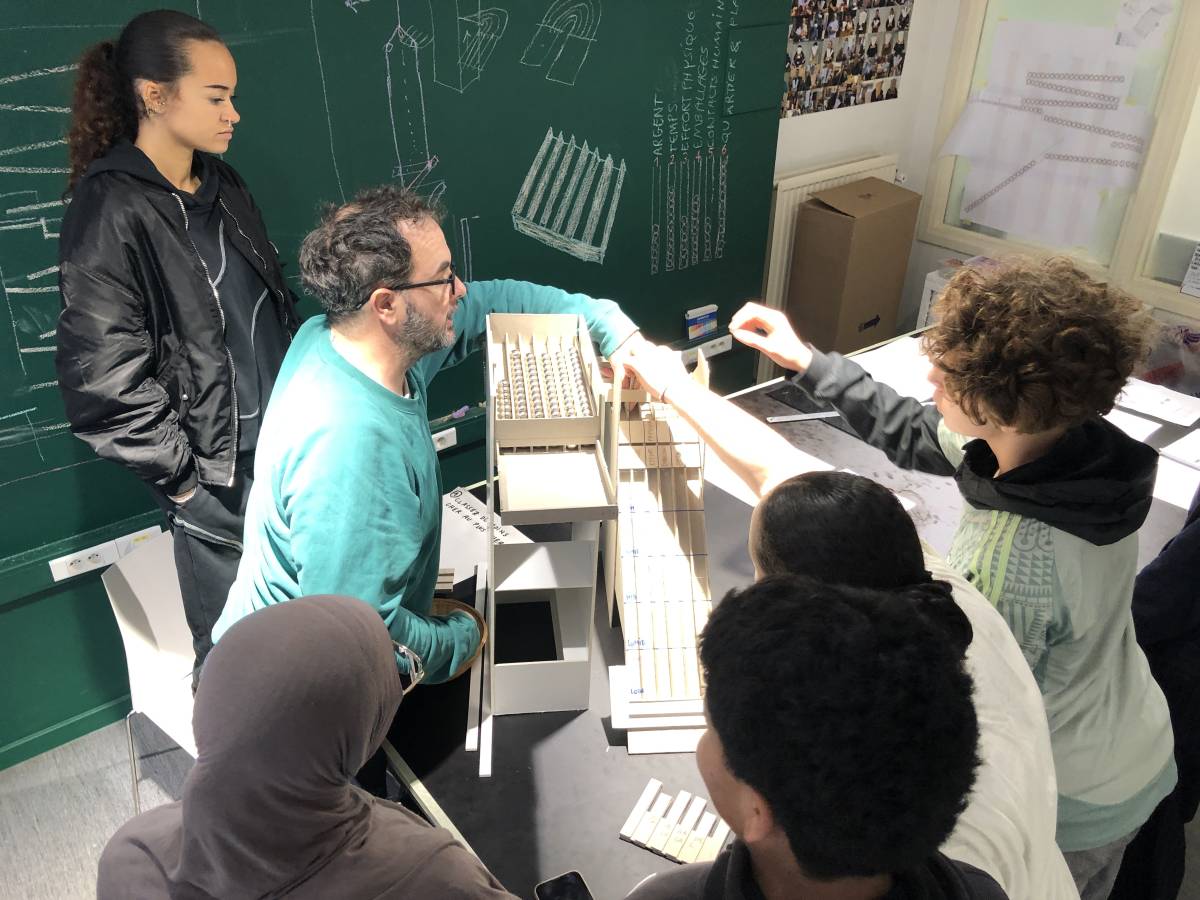
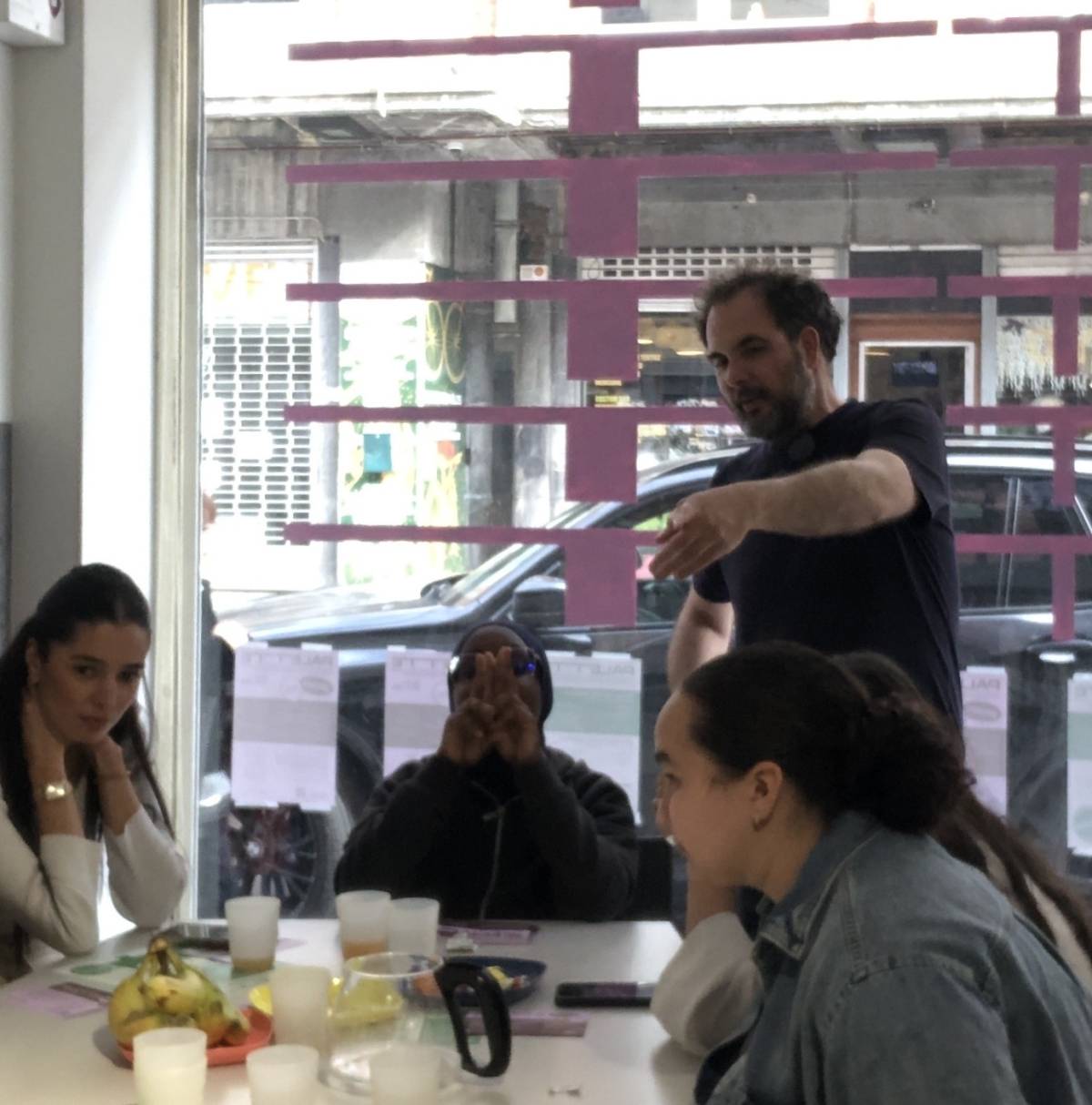
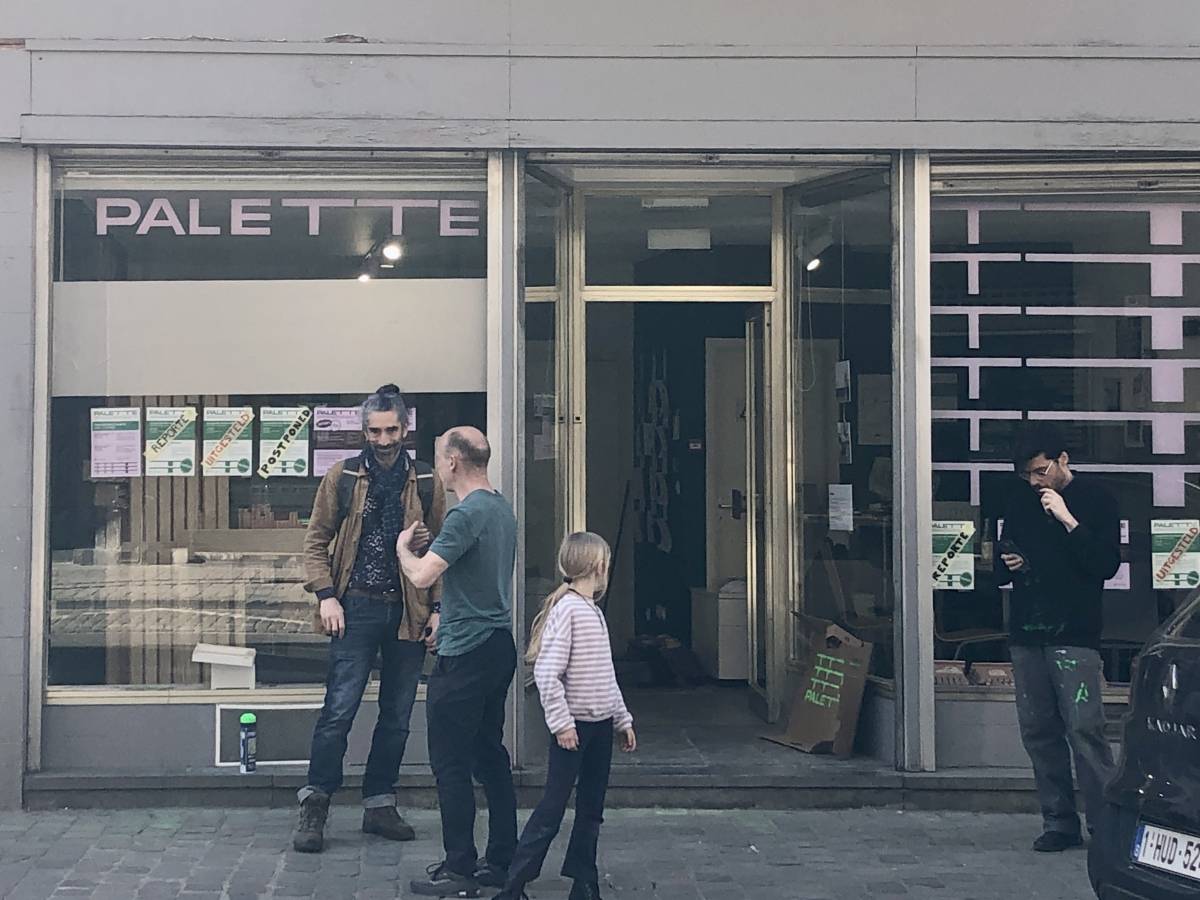
City Mine(d) has long been observing the systems that keep the city running. Urban logistics is the latest addition to that list. We don’t do this from a distance, but within and alongside a neighborhood that is curious about how the system works. Together with that community, we are mapping out everything there is to know about logistics in their environment. By the spring of 2026, we will translate that knowledge into an interactive exhibition for the general public, as a stepping stone toward doing things differently, better, together, and made-to-measure.
Related articles: